How to Minimize Waste – Tips for Homes and Industries

You can minimize waste by following one order of priority. First reduce what you buy and use, then reuse what you can, then recycle or compost the rest. Only what is left should go to landfill or incineration. This order, often called the 3 R’s, works for households, businesses and industrial sites alike.
The scale of the problem shows why it matters. United Nations and World Bank reports estimate that the world generates over 2 billion tons of municipal solid waste each year. Without action, this figure could rise by 70% by 2050. Between one-third and 40% of global waste is dumped or burned improperly, which pollutes air and water.
Landfills and open dumps also release methane, a potent greenhouse gas, and waste is responsible for about 20% of human-related methane emissions. Plastic trash reaches the oceans as well, where it kills over 1 million seabirds and 100,000 marine mammals each year.
Why minimizing waste matters
Excess waste is a threat to both the environment and public health. When waste is not managed properly, it can leach chemicals into soil and water. As it decomposes, it emits greenhouse gases that contribute to climate change. The effects are visible in everyday life as litter on streets, plastic in waterways and landfill sites that keep growing.
Every item you throw away also represents wasted materials, energy and water. Organic waste in landfills produces methane, and discarded plastics can persist for centuries. Managing waste is costly for municipalities and taxpayers too. Reducing the waste you produce therefore conserves natural resources, cuts pollution and lowers waste handling costs.
Practical steps for reducing household waste
Waste reduction starts at home, where daily habits decide how much ends up in the bin. Five steps cover most of what a household can do.
Bring reusable items
Carry your own shopping bags, water bottles, coffee cups and utensils to cut down on single-use plastics. This simple step keeps plastic bags, bottles, straws and other disposable items out of the trash. Many shops even offer a discount if you bring your own cup or bag.
Shop smart and reduce consumption
Buy only what you need, and use what you buy. Plan meals to prevent food waste, and watch out for impulse purchases. Choose products with minimal packaging, or buy in bulk. For example, pick loose fruit and vegetables instead of produce wrapped in plastic. When you focus on needs over wants, fewer unused items end up in the trash.
Compost organic waste
Food scraps and yard trimmings can make up nearly half of household waste, so composting them has a large effect. Set up a compost bin for fruit peels, vegetable scraps, coffee grounds and grass clippings. Composting keeps these organics out of landfills, where they would generate methane, and turns them into fertilizer for gardens. If you live in an apartment, you can try indoor methods such as vermicomposting with worms, or join a community compost program.
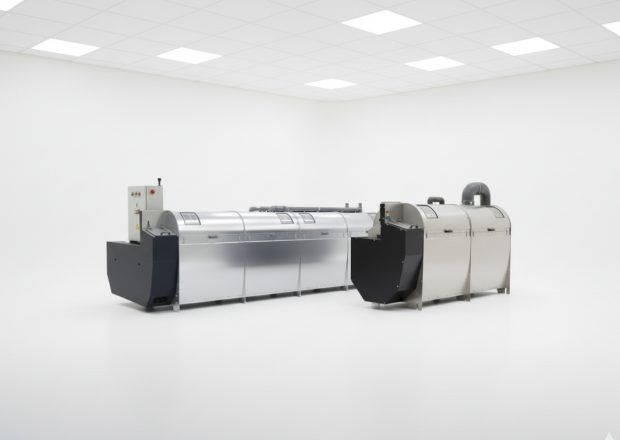
Discover Kademe’s composting machines
Kademe’s Yöntem composting machines process organic waste automatically for municipalities and industrial sites. Capacity ranges from 100 to 500 liters of waste per day, depending on the model.
Donate and reuse
Before you throw away anything usable, find it a second life. Donate gently used clothes, furniture and appliances to charities or thrift shops. This reduces waste and helps people in need. You can also reuse items creatively. Glass jars can serve as storage containers, old t-shirts can become cleaning rags, and sturdy boxes can help you organize. Repairing items, such as mending clothes or fixing appliances, delays waste and saves money.
Recycle properly
Recycling only works when it is done correctly. Sort paper, cardboard, plastics, metal cans and glass according to your local guidelines, and learn what your area accepts. For example, many municipalities only accept certain plastics, commonly #1 and #2, and other types may not be recyclable locally.
Non-recyclable or soiled items in the recycling bin can contaminate the whole batch and send it to landfill. Avoid “wish-cycling”, which means tossing in doubtful items and hoping they get recycled. When in doubt, check your city’s recycling guide or app. Paper, glass and metal that are recycled correctly become new products and reduce the need for raw materials.
Small changes like these add up across a whole community. Residents of all ages, from students to seniors, can take part. Visitors can help too, by using public recycling bins, not littering and using deposit-return systems for bottles where a city offers them.
Waste reduction strategies for businesses and industries
Businesses and industrial sites, from small shops to large factories, often save money when they generate less waste. In fact, many waste reduction practices began in industry as cost-saving and efficiency measures. Six strategies make the largest difference.
Measure and audit your waste
Start with a waste audit to find out which types and amounts of waste your organization produces. Track waste and recycling for a set period to identify the main sources, such as excess packaging, office paper or specific manufacturing scrap. This data gives you a baseline and shows the biggest opportunities. Many city recycling offices and waste haulers help with waste assessments. With these measurements, you can set clear reduction targets and track progress.
Reduce waste at the source
Preventing waste before it starts gives the greatest benefit. Every pound of waste you avoid is a pound you never have to recycle or dispose of. Optimize processes to use fewer materials, remove unnecessary packaging or adopt lean manufacturing techniques. In offices, for example, print only when necessary and set double-sided printing as the default. In manufacturing, fewer errors and defects mean less material waste. Digital records and bulk purchasing to cut packaging also reduce waste at the source.
Reuse materials in operations
Look for ways to reuse materials and products internally. Use durable, refillable containers for shipping instead of single-use boxes, or clean and reuse packaging materials. Pallets, barrels and crates can often be used many times. Offices can reuse interoffice envelopes and donate old electronics and furniture instead of throwing them away. Some industrial by-products can be reused as well. For instance, waste heat from one process can supply energy to another.
Set up recycling and composting programs
Recycle the waste you cannot eliminate or reuse. Set up a recycling program for common materials such as paper, cardboard, plastics, metal and glass. Place clearly labeled bins in convenient spots, including offices, kitchens and factory floors. Then work with local recycling services or waste management providers to collect the material.
If your business generates organic waste, such as food scraps, yard waste or wood, consider composting it. Many restaurants and hotels, for example, now separate food waste for composting, which greatly reduces their garbage volume. Recycling and composting divert waste from landfills and often cut disposal costs, because hauling fees fall as trash volumes drop.
Rethink product and packaging design
If you manufacture or design products, build waste reduction into product development. Use fewer materials, or materials with recycled content that are easy to recycle. Design packaging that protects the product and no more, and avoid excess plastic or Styrofoam fillers. Choose packaging that is recyclable or biodegradable. Some companies have made their products modular or easier to repair, so customers can replace one part instead of the whole product. Life-cycle assessments help you find where in the supply chain you can cut waste.
Engage employees
A waste reduction program works best when everyone in the organization takes part. Form a green team to lead initiatives and collect ideas from staff at all levels. Train employees on new recycling or composting procedures, and make compliance easy with clearly marked bins and instructions. Recognition or incentives for departments that cut waste help keep the program going.
Leadership support matters most. When management sets waste reduction goals and celebrates progress, employees find their own ways to reduce waste, from reusing office supplies to improving production.
These practices often improve efficiency and reduce costs at the same time. Many companies report savings from lower raw material use and lower disposal fees. Customers and local communities also tend to value companies that take waste reduction seriously.
The 3 R’s: reduce, reuse, recycle
The 3 R’s form a simple waste hierarchy. Reduce comes first, reuse second and recycle third, and disposal is the last option.
Reduce
The best way to deal with waste is not to create it in the first place. Reducing what you consume and throw away tackles the problem at the source. For individuals, this means buying only what you need, choosing products with less packaging and choosing digital over paper where possible. For businesses, it means streamlining operations and material use. Every item that never becomes waste is one less item to recycle or dispose of.
Reuse
If waste is generated, the next best option is to give the item a second life. Many things can be used several times, or for a different purpose, before they become waste. Reuse can be as simple as a refillable container, a donation or a repair instead of a replacement. Reuse extends the lifespan of materials and conserves the resources and energy that went into making them.
Recycle and compost
After reducing and reusing as much as possible, recycle or compost what remains. Recycling turns paper, metal, glass and certain plastics into new products, which reduces the need to extract raw materials. For example, using recycled aluminum saves 95% of the energy needed to produce new aluminum from ore. Composting is the recycling route for organic waste. It turns food scraps, yard waste and other organics into fertilizer.
Waste management experts recommend following this order. Disposal by landfill or incineration comes only after these steps, and modern methods aim to limit its environmental impact. Some frameworks add more R’s, such as refuse (decline unnecessary items), repurpose (find new uses for old things) and repair (fix items). Whether you work with 3 R’s or 5 R’s, the aim is the same, which is to minimize waste at every stage.
Reuse and recycling together form the basis of the circular economy, in which materials keep circulating instead of being used once and dumped. When you rinse and recycle a plastic bottle or a glass jar, you treat waste as a resource that can be used again. Sustainable consumption supports the first R. Buying one durable item instead of several cheap items that break easily, for example, reduces future waste.
Global best practices and success stories
Communities and companies around the world have shown that large cuts in waste are achievable. The four examples below show how policy, community action and innovation work in practice.
Kamikatsu, Japan (zero-waste town)
The small town of Kamikatsu is known for its zero-waste program. Residents sort their trash into 45 separate categories, and the town reaches an 81% recycling rate, far above Japan’s national average. Locals compost their organic waste and bring other items to a recycling center, where volunteers check that everything is sorted correctly. Kamikatsu shows that, with community commitment and education, even rural towns can sharply reduce the waste they send to landfill.
San Francisco, USA (urban zero-waste program)
San Francisco reports that it diverts about 80% of its waste from landfills. The city describes this as the highest diversion rate of any major city in North America. The city reached this through mandatory recycling and composting, source reduction and citywide composting of food scraps and yard waste. Public participation was part of the program from the start.
San Francisco also worked with the waste hauler Recology and banned plastic bags early on. Along with reducing trash, the program created jobs in the recycling and composting industry.
South Korea (food waste recycling program)
South Korea raised its food waste recycling rate from just 2% in 1995 to 95% by 2019. The government banned food scraps from landfills and introduced a pay-as-you-throw system. Residents separate food waste into special biodegradable bags and drop them into automated bins that charge a small fee by weight.
The fee encourages people to waste less food, for example by removing moisture or buying less, and it funds the recycling facilities. The collected food waste becomes animal feed or fertilizer, or it is used to generate biogas. The program shows how policy, technology such as RFID bin systems and public participation can work together.
Businesses that turn waste into a resource
Many companies reuse waste in creative ways. Elvis & Kresse, a UK-based luxury brand, for example, turns decommissioned fire hoses that would otherwise go to landfill into handbags, belts and accessories. Breweries donate or sell spent grain as animal feed, and technology firms refurbish and resell used electronics. Construction companies recycle demolished concrete into new building material. In each case, the waste from one process becomes the input for another.
These examples range from a small town to a major city, and from national policy to private companies. South Korea and San Francisco show the role of policy and public engagement. Kamikatsu shows the power of community action, and the companies show the role of innovation. Strategies differ with local conditions, but commitment and creativity cut waste in every one of these cases.
Toward a zero-waste future
Waste can be cut with methods that already exist. At home, the 3 R’s start with what you buy. In businesses and factories, they start with a waste audit. Over time, small actions become habits, and those habits spread through a community.
The first step is simple in both settings. At home, check what fills your bin for one week. In a business, run a waste audit for one month. Then pick the largest category and decide whether you can reduce, reuse, recycle or compost it.
Sources:
The figures above come from United Nations and World Bank reports on waste trends and from environmental agency guidance on reducing and recycling waste. The examples come from published case studies.